


توضیحات
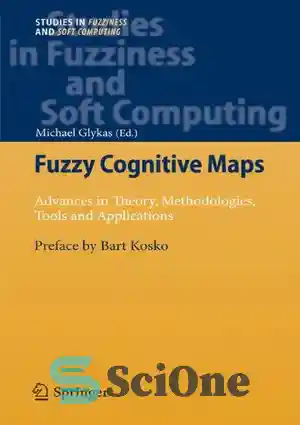
The theory of cognitive maps was developed in 1976. Its main aim was the representation of (causal) relationships among concepts also known as factors or nodes. Concepts could be assigned values. Causal relationships between two concepts could be of three types: positive, negative or neutral. Increase in the value of a concept would yield a corresponding positive or negative increase at the concepts connected to it via relationships. In 1986 Bart Kosko introduced the notion of fuzziness to cognitive maps and created the theory of Fuzzy Cognitive Maps (FCMs). The relationship between two concepts in (FCMs) can take a value in the interval [-1,1]. This relationship value is called weight. For the last twenty years extensive research in the theory of FCMs has been performed that provided major improvements and enhancements in its theoretical underpinning. New methodologies and approaches have been developed. FCMs have also been applied to many different sectors. New software tools have been developed that automate FCM creation and management. The aim of this book is to present recent advances and state of the art in FCM theory, methodologies, applications and tools that exist to date scattered in journal papers, in a concrete and integrated manner.
————————————————————–
ترجمه ماشینی :
نظریه نقشههای شناختی در سال 1976 توسعه یافت. هدف اصلی آن نمایش روابط (علی) بین مفاهیمی بود که به عنوان عوامل یا گرهها نیز شناخته میشوند. به مفاهیم می توان مقادیری نسبت داد. روابط علی بین دو مفهوم می تواند سه نوع باشد: مثبت، منفی یا خنثی. افزایش ارزش یک مفهوم باعث افزایش مثبت یا منفی متناظر در مفاهیم مرتبط با آن از طریق روابط می شود. در سال 1986 بارت کوسکو مفهوم فازی را به نقشه های شناختی معرفی کرد و تئوری نقشه های شناختی فازی (FCMs) را ایجاد کرد. رابطه بین دو مفهوم در (FCMs) می تواند مقداری در بازه [-1،1] داشته باشد. این مقدار رابطه وزن نامیده می شود. در بیست سال گذشته تحقیقات گسترده ای در تئوری FCM ها انجام شده است که پیشرفت ها و پیشرفت های عمده ای را در زیربنای نظری آن ارائه کرده است. روش ها و رویکردهای جدیدی توسعه یافته است. FCM ها همچنین در بسیاری از بخش های مختلف اعمال شده اند. ابزارهای نرم افزاری جدیدی توسعه یافته اند که ایجاد و مدیریت FCM را خودکار می کند. هدف این کتاب ارائه پیشرفتها و پیشرفتهای اخیر در تئوری FCM، روششناسی، کاربردها و ابزارهایی است که تا به امروز به صورت پراکنده در مقالات مجلات وجود دارد، به صورت ملموس و یکپارچه.
tag : دانلود کتاب نقشههای شناختی فازی: پیشرفتها در تئوری، روششناسی، ابزارها و کاربردها , Download نقشههای شناختی فازی: پیشرفتها در تئوری، روششناسی، ابزارها و کاربردها , دانلود نقشههای شناختی فازی: پیشرفتها در تئوری، روششناسی، ابزارها و کاربردها , Download Fuzzy Cognitive Maps: Advances in Theory, Methodologies, Tools and Applications Book , نقشههای شناختی فازی: پیشرفتها در تئوری، روششناسی، ابزارها و کاربردها دانلود , buy نقشههای شناختی فازی: پیشرفتها در تئوری، روششناسی، ابزارها و کاربردها , خرید کتاب نقشههای شناختی فازی: پیشرفتها در تئوری، روششناسی، ابزارها و کاربردها , دانلود کتاب Fuzzy Cognitive Maps: Advances in Theory, Methodologies, Tools and Applications , کتاب Fuzzy Cognitive Maps: Advances in Theory, Methodologies, Tools and Applications , دانلود Fuzzy Cognitive Maps: Advances in Theory, Methodologies, Tools and Applications , خرید Fuzzy Cognitive Maps: Advances in Theory, Methodologies, Tools and Applications , خرید کتاب Fuzzy Cognitive Maps: Advances in Theory, Methodologies, Tools and Applications ,

نقد و بررسیها
هنوز بررسیای ثبت نشده است.