





توضیحات
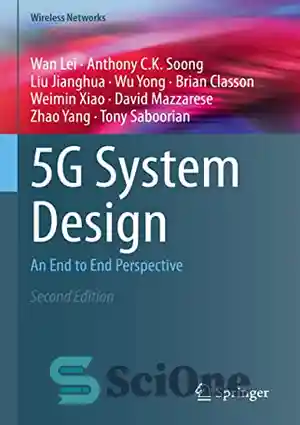
This book presents a detailed pedagogical description of the 5G commercial wireless communication system design, from an end to end perspective. It compares and contrasts NR with LTE, and gives a concise and highly accessible description of the key technologies in the 5G physical layer, radio access network layer protocols and procedures. This book also illustrates how the 5G core and EPC is integrated into the radio access network, how virtualization and edge computer fundamentally change the way users interact with the network, as well as 5G spectrum issues.
This book is structured into six chapters. The first chapter reviews the use cases, requirements, and standardization organization and activities for 5G. These are 5G requirements and not NR specifically, as technology that meets the requirements, may be submitted to the ITU as 5G technology. This includes a set of Radio Access Technologies (RATs), consisting of NR and LTE; with each RAT meeting different aspects of the requirements. The second chapter describes the air interface of NR and LTE side by side. The basic aspects of LTE that NR builds upon are first described, followed by sections on the NR specific technologies, such as carrier/channel, spectrum/duplexing (including SUL), LTE/NR co-existence and new physical layer technologies (including waveform, Polar/LDPC codes, MIMO, and URLLC/mMTC). In all cases the enhancements made relative to LTE are made apparent.
The third chapter contains descriptions of NR procedures (IAM/Beam Management/Power control/HARQ), protocols (CP/UP/mobility, including grant-free), and RAN architecture. The fourth chapter includes a detailed discussion related to end-to-end system architecture, and the 5G Core (5GC), network slicing, service continuity, relation to EPC, network virtualization, and edge computing. The fifth and major chapter describes the ITU submission and how NR and LTE meet the 5G requirements in significant detail, from the rapporteur responsible for leading the preparation and evaluation, as well as some field trial results.
Engineers, computer scientists and professionals with a passing knowledge of 4G LTE and a comprehensive understanding of the end to end 5G commercial wireless system will find this book to be a valuable asset. Advanced-level students and researchers studying and working in communication engineering, who want to gain an understanding of the 5G system (as well as methodologies to evaluate features and technologies intended to supplement 5G) will also find this book to be a valuable resource.
————————————————————–
ترجمه ماشینی :
این کتاب شرح آموزشی دقیقی از طراحی سیستم ارتباط بیسیم تجاری 5G، از دیدگاه پایانی تا پایانی ارائه میدهد. NR را با LTE مقایسه و مقایسه میکند، و توصیفی مختصر و بسیار در دسترس از فناوریهای کلیدی در لایه فیزیکی 5G، پروتکلها و رویههای لایه شبکه دسترسی رادیویی ارائه میدهد. این کتاب همچنین نشان میدهد که چگونه هسته 5G و EPC در شبکه دسترسی رادیویی ادغام میشوند، چگونه مجازیسازی و رایانه لبه بهطور اساسی نحوه تعامل کاربران با شبکه و همچنین مسائل طیف 5G را تغییر میدهند.
این کتاب در شش فصل تنظیم شده است. . فصل اول موارد استفاده، الزامات و سازماندهی استانداردسازی و فعالیتهای 5G را بررسی میکند. اینها الزامات 5G هستند و به طور خاص NR نیستند، زیرا فناوری که الزامات را برآورده می کند، ممکن است به عنوان فناوری 5G به ITU ارائه شود. این شامل مجموعهای از فناوریهای دسترسی رادیویی (RATs)، متشکل از NR و LTE است. با هر RAT که جنبه های مختلفی از الزامات را برآورده می کند. فصل دوم رابط هوایی NR و LTE را در کنار هم شرح می دهد. جنبههای اساسی LTE که NR بر اساس آن استوار است ابتدا توضیح داده میشود، سپس بخشهایی در مورد فناوریهای خاص NR، مانند حامل/کانال، طیف/دوبلکس (شامل SUL)، همزیستی LTE/NR و فناوریهای لایه فیزیکی جدید (شامل شکل موج) توضیح داده میشوند. ، کدهای قطبی/LDPC، MIMO و URLLC/mMTC). در همه موارد، پیشرفت های انجام شده نسبت به LTE آشکار می شود.
فصل سوم شامل توضیحاتی در مورد رویه های NR (IAM/Beam Management/Power Control/HARQ)، پروتکل ها (CP/UP/Mobility، از جمله بدون کمک هزینه) و معماری RAN است. فصل چهارم شامل یک بحث مفصل در مورد معماری سیستم انتها به انتها، و هسته 5G (5GC)، برش شبکه، تداوم سرویس، ارتباط با EPC، مجازی سازی شبکه و محاسبات لبه است. فصل پنجم و اصلی، ارائه ITU و نحوه برآورده کردن NR و LTE با الزامات 5G را با جزئیات قابل توجهی از گزارشگر مسئول آماده سازی و ارزیابی، و همچنین برخی از نتایج آزمایشات میدانی توصیف می کند.
مهندسان، دانشمندان کامپیوتر و متخصصان با دانش گذرا از 4G LTE و درک جامع از سیستم بی سیم تجاری 5G انتها به انتها، این کتاب یک دارایی ارزشمند است. دانشجویان و محققان سطح پیشرفته ای که در زمینه مهندسی ارتباطات مطالعه و کار می کنند و می خواهند درکی از سیستم 5G (و همچنین روش شناسی برای ارزیابی ویژگی ها و فناوری های در نظر گرفته شده برای تکمیل 5G) به دست آورند، این کتاب را منبع ارزشمندی خواهند یافت.< /p>
tag : دانلود کتاب طراحی سیستم 5G: چشم انداز پایان به پایان , Download طراحی سیستم 5G: چشم انداز پایان به پایان , دانلود طراحی سیستم 5G: چشم انداز پایان به پایان , Download 5G System Design: An end to end perspective Book , طراحی سیستم 5G: چشم انداز پایان به پایان دانلود , buy طراحی سیستم 5G: چشم انداز پایان به پایان , خرید کتاب طراحی سیستم 5G: چشم انداز پایان به پایان , دانلود کتاب 5G System Design: An end to end perspective , کتاب 5G System Design: An end to end perspective , دانلود 5G System Design: An end to end perspective , خرید 5G System Design: An end to end perspective , خرید کتاب 5G System Design: An end to end perspective ,
دیدگاهها
هیچ دیدگاهی برای این محصول نوشته نشده است.