








توضیحات
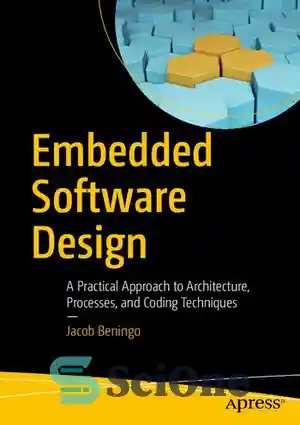
This textbook serves as an introduction to the subject of embedded systems design, with emphasis on integration of custom hardware components with software. The key problem addressed in the book is the following: how can an embedded systems designer strike a balance between flexibility and efficiency? The book describes how combining hardware design with software design leads to a solution to this important computer engineering problem. The book covers four topics in hardware/software codesign: fundamentals, the design space of custom architectures, the hardware/software interface and application examples. The book comes with an associated design environment that helps the reader to perform experiments in hardware/software codesign. Each chapter also includes exercises and further reading suggestions.
Improvements in this second edition include labs and examples using modern FPGA environments from Xilinx and Altera, which will make the material in this book applicable to a greater number of courses where these tools are already in use. More examples and exercises have been added throughout the book.
If I were teaching a course on this subject, I would use this as a resource and text. If I were a student who wanted to learn codesign, I would look for a course that at least used a similar approach. If I were an engineer or engineering manager who wanted to learn more about codesign from a very practical perspective, I would read this book first before any other. When I first started learning about codesign as a practitioner, a book like this would have been the perfect introduction.
–Grant Martin, Tensilica–
————————————————————–
ترجمه ماشینی :
این کتاب درسی با تأکید بر ادغام اجزای سخت افزاری سفارشی با نرم افزار، مقدمه ای بر موضوع طراحی سیستم های جاسازی شده است. مشکل کلیدی که در این کتاب به آن پرداخته شده است این است: چگونه یک طراح سیستم های تعبیه شده می تواند تعادلی بین انعطاف پذیری و کارایی ایجاد کند؟ این کتاب توضیح می دهد که چگونه ترکیب طراحی سخت افزار با طراحی نرم افزار منجر به راه حلی برای این مشکل مهم مهندسی کامپیوتر می شود. این کتاب چهار موضوع را در کدنویسی سختافزار/نرمافزار پوشش میدهد: اصول، فضای طراحی معماریهای سفارشی، رابط سختافزار/نرمافزار و نمونههای کاربردی. این کتاب با یک محیط طراحی مرتبط همراه است که به خواننده کمک می کند تا آزمایش هایی را در کدنویسی سخت افزار/نرم افزار انجام دهد. هر فصل همچنین شامل تمرین ها و پیشنهادات خواندن بیشتر است.
بهبودهای این ویرایش دوم شامل آزمایشگاهها و نمونههایی با استفاده از محیطهای مدرن FPGA از Xilinx و Altera است که باعث میشود مطالب این کتاب برای تعداد بیشتری از دورههایی که از این ابزارها استفاده میشود، قابل استفاده باشد. مثال ها و تمرین های بیشتری در سراسر کتاب اضافه شده است.
اگر درسی با این موضوع تدریس می کردم، از آن به عنوان منبع و متن استفاده می کردم. اگر من دانش آموزی بودم که می خواستم کد دیزاین را یاد بگیرم، به دنبال دوره ای می گشتم که حداقل از رویکردی مشابه استفاده کند. اگر من یک مهندس یا مدیر مهندسی بودم که می خواستم در مورد کد دیزاین از منظر بسیار کاربردی بیشتر بیاموزم، قبل از هر کتاب دیگری این کتاب را می خواندم. هنگامی که من برای اولین بار به عنوان یک متخصص شروع به یادگیری در مورد طراحی کد کردم، کتابی مانند این مقدمه عالی بود.
–Grant Martin، Tensilica–
tag : دانلود کتاب مقدمه ای عملی بر کدنویسی سخت افزار/نرم افزار , Download مقدمه ای عملی بر کدنویسی سخت افزار/نرم افزار , دانلود مقدمه ای عملی بر کدنویسی سخت افزار/نرم افزار , Download A Practical Introduction to Hardware/Software Codesign Book , مقدمه ای عملی بر کدنویسی سخت افزار/نرم افزار دانلود , buy مقدمه ای عملی بر کدنویسی سخت افزار/نرم افزار , خرید کتاب مقدمه ای عملی بر کدنویسی سخت افزار/نرم افزار , دانلود کتاب A Practical Introduction to Hardware/Software Codesign , کتاب A Practical Introduction to Hardware/Software Codesign , دانلود A Practical Introduction to Hardware/Software Codesign , خرید A Practical Introduction to Hardware/Software Codesign , خرید کتاب A Practical Introduction to Hardware/Software Codesign ,
دیدگاهها
هیچ دیدگاهی برای این محصول نوشته نشده است.