


توضیحات
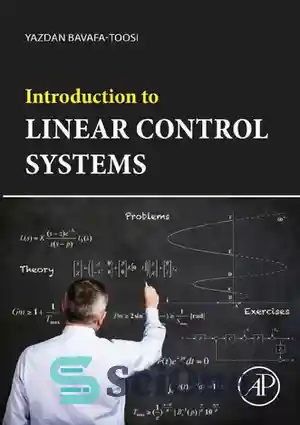
Introduction to Linear Control Systems is designed as a standard introduction to linear control systems for all those who one way or another deal with control systems. It can be used as a comprehensive up-to-date textbook for a one-semester 3-credit undergraduate course on linear control systems as the first course on this topic at university. This includes the faculties of electrical engineering, mechanical engineering, aerospace engineering, chemical and petroleum engineering, industrial engineering, civil engineering, bio-engineering, economics, mathematics, physics, management and social sciences, etc.
The book covers foundations of linear control systems, their raison detre, different types, modelling, representations, computations, stability concepts, tools for time-domain and frequency-domain analysis and synthesis, and fundamental limitations, with an emphasis on frequency-domain methods. Every chapter includes a part on further readings where more advanced topics and pertinent references are introduced for further studies. The presentation is theoretically firm, contemporary, and self-contained. Appendices cover Laplace transform and differential equations, dynamics, MATLAB and SIMULINK, treatise on stability concepts and tools, treatise on Routh-Hurwitz method, random optimization techniques as well as convex and non-convex problems, and sample midterm and endterm exams.
The book is divided to the sequel 3 parts plus appendices.
PART I: In this part of the book, chapters 1-5, we present foundations of linear control systems. This includes: the introduction to control systems, their raison detre, their different types, modelling of control systems, different methods for their representation and fundamental computations, basic stability concepts and tools for both analysis and design, basic time domain analysis and design details, and the root locus as a stability analysis and synthesis tool.
PART II: In this part of the book, Chapters 6-9, we present what is generally referred to as the frequency domain methods. This refers to the experiment of applying a sinusoidal input to the system and studying its output. There are basically three different methods for representation and studying of the data of the aforementioned frequency response experiment: these are the Nyquist plot, the Bode diagram, and the Krohn-Manger-Nichols chart. We study these methods in details. We learn that the output is also a sinusoid with the same frequency but generally with different phase and magnitude. By dividing the output by the input we obtain the so-called sinusoidal or frequency transfer function of the system which is the same as the transfer function when the Laplace variable s is substituted with . Finally we use the Bode diagram for the design process.
PART III: In this part, Chapter 10, we introduce some miscellaneous advanced topics under the theme fundamental limitations which should be included in this undergraduate course at least in an introductory level. We make bridges between some seemingly disparate aspects of a control system and theoretically complement the previously studied subjects.
Appendices: The book contains seven appendices. Appendix A is on the Laplace transform and differential equations. Appendix B is an introduction to dynamics. Appendix C is an introduction to MATLAB, including SIMULINK. Appendix D is a survey on stability concepts and tools. A glossary and road map of the available stability concepts and tests is provided which is missing even in the research literature. Appendix E is a survey on the Routh-Hurwitz method, also missing in the literature. Appendix F is an introduction to random optimization techniques and convex and non-convex problems. Finally, appendix G presents sample midterm and endterm exams, which are class-tested several times.
- Presenting a detailed contemporary perspective of the field of systems and control theory and applications
- Contemporary and mathematically firm approach even for classical issues
- Discussing and correcting numerous mistakes in the available literature
- Collecting and discussing numerous important points which are scattered in the research literature
- Many new results and/or details in Chapters 3-10 and Appendices A, D
- A detailed glossary and road map of stability results scattered in the literature
- Addressing numerous sophisticated NMP and unstable plants in our examples
- A chapter on advanced topics in fundamental limitations
- Discussing alternative facets of the lessons, not available in the literature, by the help of especially designed versatile problems over 600 examples and worked-out problems along with their simulation source codes
- Presenting the latest results, many of which obtained in the 21st century, wherever appropriate
- Allocating a Subchapter to Further Readings in each chapter, where more advanced topics and references are introduced.
————————————————————–
ترجمه ماشینی :
مقدمه ای بر سیستم های کنترل خطی به عنوان یک مقدمه استاندارد برای سیستم های کنترل خطی برای همه کسانی که به هر طریقی با سیستم های کنترل سر و کار دارند طراحی شده است. می تواند به عنوان یک کتاب درسی جامع و به روز برای دوره کارشناسی یک ترم 3 واحدی سیستم های کنترل خطی به عنوان اولین درس در این موضوع در دانشگاه مورد استفاده قرار گیرد. این شامل دانشکده های مهندسی برق، مهندسی مکانیک، مهندسی هوافضا، مهندسی شیمی و نفت، مهندسی صنایع، مهندسی عمران، مهندسی زیستی، اقتصاد، ریاضیات، فیزیک، مدیریت و علوم اجتماعی و غیره است.
The کتاب مبانی سیستمهای کنترل خطی، دلیل آن، انواع مختلف، مدلسازی، نمایشها، محاسبات، مفاهیم پایداری، ابزارهایی برای تجزیه و تحلیل و سنتز حوزه زمان و دامنه فرکانس، و محدودیتهای اساسی، با تاکید بر روشهای حوزه فرکانس را پوشش میدهد. هر فصل شامل بخشی در مورد خواندن بیشتر است که در آن موضوعات پیشرفته تر و مراجع مربوط برای مطالعات بیشتر معرفی می شوند. ارائه از لحاظ نظری محکم، معاصر و مستقل است. ضمائم تبدیل لاپلاس و معادلات دیفرانسیل، دینامیک، MATLAB و SIMULINK، رساله مفاهیم و ابزارهای پایداری، رساله روش روث-هورویتز، تکنیک های بهینه سازی تصادفی و همچنین مسائل محدب و غیر محدب، و نمونه امتحانات میان ترم و پایان ترم را پوشش می دهند.
کتاب به دنباله 3 قسمت به همراه ضمائم تقسیم شده است.
قسمت اول: در این قسمت از کتاب، فصل های 1-5، ارائه می کنیم. پایه های سیستم های کنترل خطی این شامل موارد زیر است: معرفی سیستمهای کنترل، دلیل آن، انواع مختلف آنها، مدلسازی سیستمهای کنترل، روشهای مختلف برای نمایش و محاسبات بنیادی، مفاهیم پایه پایداری و ابزار برای تحلیل و طراحی، تجزیه و تحلیل حوزه زمانی پایه و جزئیات طراحی، و منبع ریشه به عنوان یک ابزار تجزیه و تحلیل پایداری و سنتز.
بخش دوم: در این بخش از کتاب، فصلهای 6-9، آنچه را که عموماً به آن اشاره میشود، ارائه میکنیم. روش های حوزه فرکانس این به آزمایش اعمال یک ورودی سینوسی به سیستم و مطالعه خروجی آن اشاره دارد. اساساً سه روش مختلف برای نمایش و مطالعه دادههای آزمایش پاسخ فرکانسی فوقالذکر وجود دارد: اینها نمودار نایکویست، نمودار بود و نمودار کرون-منگر-نیکولز هستند. ما این روش ها را با جزئیات مطالعه می کنیم. می آموزیم که خروجی نیز یک سینوسی با فرکانس یکسان است اما به طور کلی با فاز و بزرگی متفاوت است. با تقسیم خروجی بر ورودی، تابع انتقال سینوسی یا فرکانس سیستم را بدست می آوریم که همان تابع انتقال است که متغیر لاپلاس s با . در نهایت از نمودار Bode برای فرآیند طراحی استفاده می کنیم.
PART III: در این بخش، فصل 10، برخی از موضوعات پیشرفته متفرقه را تحت عنوان محدودیت های بنیادی معرفی می کنیم که باید در این دوره کارشناسی حداقل در سطح مقدماتی گنجانده شود. ما بین برخی از جنبههای ظاهراً متفاوت یک سیستم کنترل پلهایی ایجاد میکنیم و از لحاظ نظری موضوعات مورد مطالعه قبلی را تکمیل میکنیم.
ضمائم: کتاب شامل هفت ضمیمه است. پیوست A در تبدیل لاپلاس و معادلات دیفرانسیل است. ضمیمه B مقدمه ای بر دینامیک است. ضمیمه C مقدمه ای بر MATLAB از جمله SIMULINK است. پیوست D بررسی مفاهیم و ابزارهای پایداری است. واژه نامه و نقشه راه مفاهیم و آزمون های پایداری موجود ارائه شده است که حتی در ادبیات تحقیق نیز وجود ندارد. ضمیمه E بررسی روش Routh-Hurwitz است که در ادبیات نیز وجود ندارد. پیوست F مقدمه ای بر تکنیک های بهینه سازی تصادفی و مسائل محدب و غیر محدب است. در نهایت، ضمیمه G نمونه امتحانات میان ترم و پایان ترم را ارائه می دهد که چندین بار در کلاس تست شده اند.
- ارائه چشم انداز دقیق معاصر از حوزه سیستم ها و تئوری کنترل و برنامه های کاربردی
- رویکرد محکم معاصر و از نظر ریاضی حتی برای مسائل کلاسیک
- بحث و تصحیح اشتباهات متعدد در ادبیات موجود
- جمع آوری و بحث در مورد نکات مهم متعددی که در ادبیات تحقیق پراکنده است
- li>
- بسیاری از نتایج و/یا جزئیات جدید در فصول 3-10 و ضمائم A, D
- واژه نامه مفصل و نقشه راه نتایج پایداری پراکنده در ادبیات
- خطاب تعداد زیادی NMP پیچیده و گیاهان ناپایدار در مثالهای ما
- فصلی در مورد موضوعات پیشرفته در محدودیتهای اساسی
- بحث در مورد جنبههای جایگزین دروس، که در ادبیات موجود نیست، با کمک طراحیهای ویژه مشکلات همه کاره بیش از 600 مثال و مشکلات حل شده به همراه کدهای منبع شبیه سازی آنها
- ارائه آخرین نتایج، که بسیاری از آنها در قرن 21st به دست آمده اند، هر جا که مناسب باشد
- تخصیص یک فصل فرعی به خواندن های بیشتر در هر فصل، که در آن موضوعات و منابع پیشرفته تر معرفی می شوند.
tag : دانلود کتاب مقدمه ای بر سیستم های کنترل خطی , Download مقدمه ای بر سیستم های کنترل خطی , دانلود مقدمه ای بر سیستم های کنترل خطی , Download Introduction to Linear Control Systems Book , مقدمه ای بر سیستم های کنترل خطی دانلود , buy مقدمه ای بر سیستم های کنترل خطی , خرید کتاب مقدمه ای بر سیستم های کنترل خطی , دانلود کتاب Introduction to Linear Control Systems , کتاب Introduction to Linear Control Systems , دانلود Introduction to Linear Control Systems , خرید Introduction to Linear Control Systems , خرید کتاب Introduction to Linear Control Systems ,

نقد و بررسیها
هنوز بررسیای ثبت نشده است.